

Prison Visits without people
Media release: August 11, 2025
On Sunday 27 July, the trial at Macquarie Correctional Centre Wellington replacing Sunday physical visits with video calls ended in failure. Prisoners and their families expressed their anger that the trial was said to have occurred in response to their desire to relieve the burden of visiting on the families. A Macquarie prisoner told us ‘The single most important element to maintain my mental health…is to hug my wife and children.
We are relieved that Corrective Services NSW has reached the conclusion of the trial’s failure. But the trial has sparked broader concerns that video calls are quietly replacing physical visits in other NSW prisons, to reduce staffing and cost.
Our survey revealed families are facing increased obstacles when trying to visit their loved ones. The booking process is rigid, requiring a logon at midnight to secure a spot, and often cancelled. Mostly only one time is available – 8.30am requiring 7.30am attendance, so children and accommodation costs are difficult for travellers. This disproportionately affects those with inflexible working hours, caring responsibilities or limited digital literacy. This forces reliance on video calls.
We asked Commissioner McCahon not to refer to a video call as a ‘visit’ as it is misleading. He defended it on 31 July saying the Regulation used the term. We presented a legal analysis and showed the contradiction with the Act and other authorities, but have yet to receive a response.
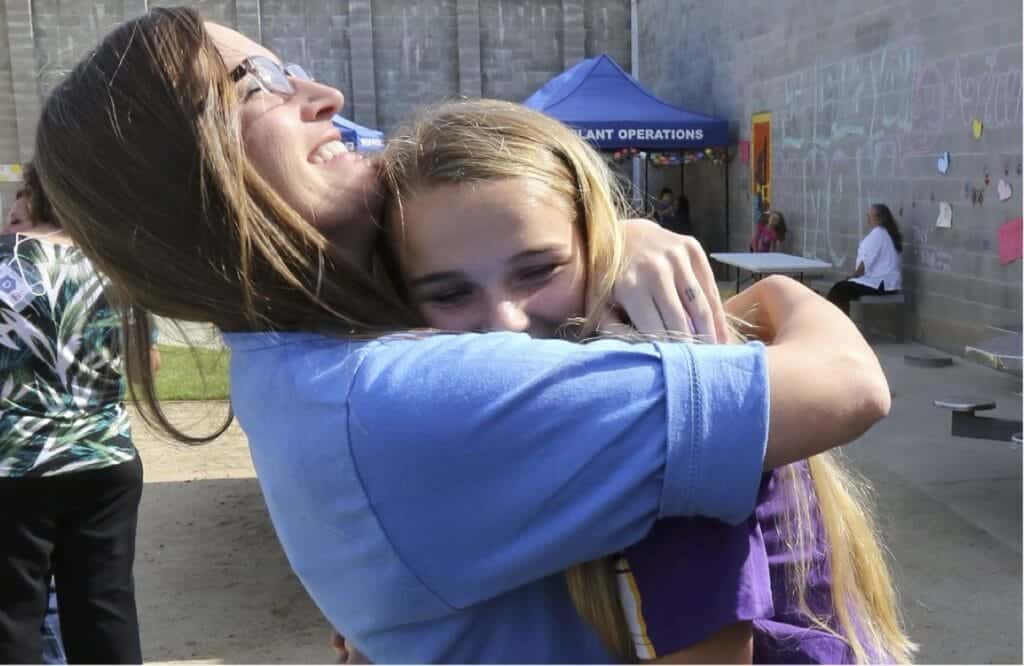
Nothing is as healing as the human touch. Visitation is about connection – it is about the brief but powerful moments where a hand is held, where a hug rekindles the human spirit. In institutional settings emotional needs are often overlooked. Visitation strengthens bonds, fosters emotional stability, and affirms the humanity of those inside and those who visit. Other jurisdictions have conjugal visits whilst NSW wants to offer a screen.
The major investment bringing computer tablets into cells for external domestic violence counselling, education and video calls, still hasn’t been turned on although Minister Chanthivong said it is ready. (p. 88 q328) The drug use, sense of hopelessness and shocking recidivism level of 48% creating a more dangerous community is a direct result of this failure. Video calls should always be an option in addition to physical visits.
We call upon the Minister and the Commissioner to guarantee visits at times convenient to families and to turn on the tablet external services.
Return to Index page